
-
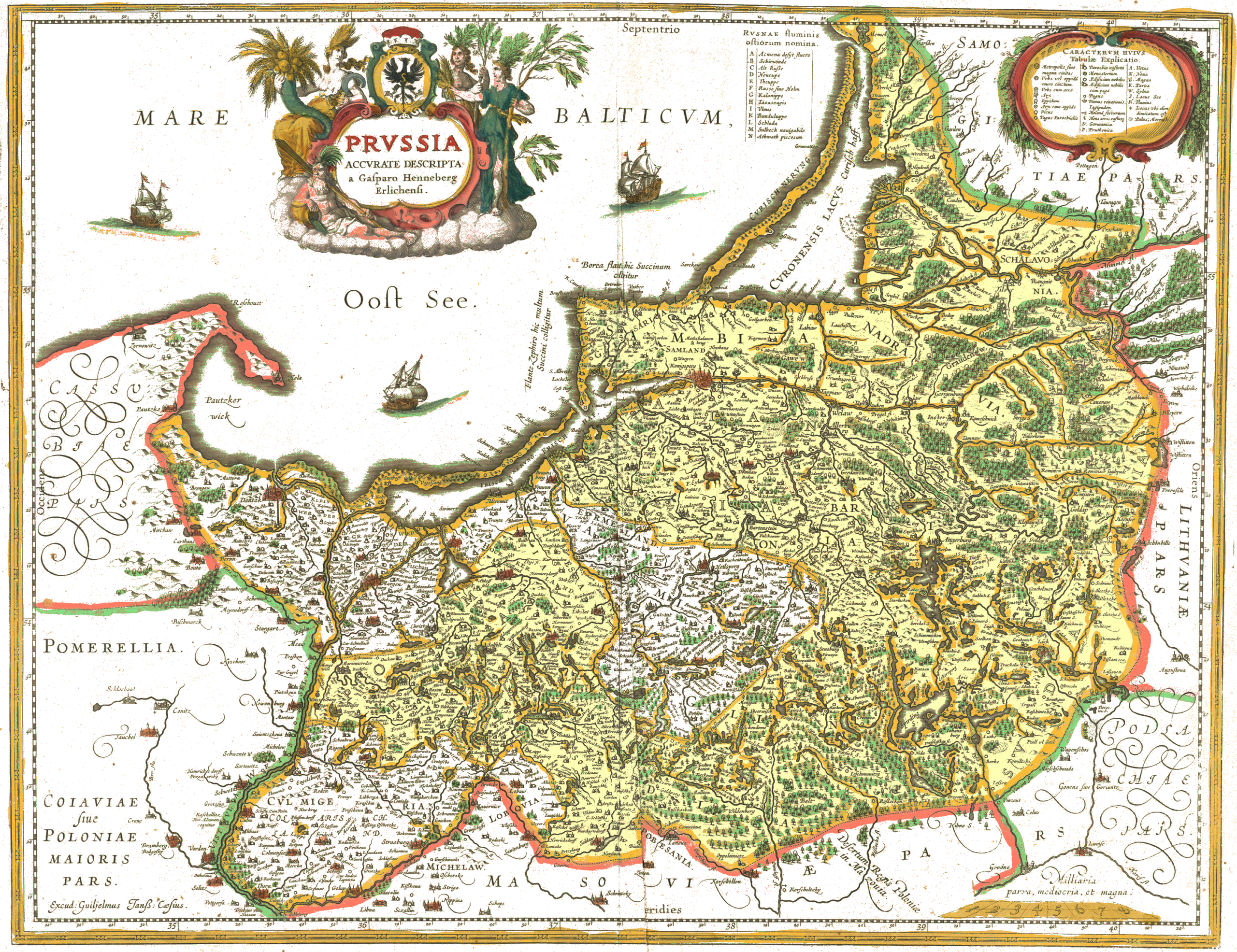
The AfD’s victory and the return of the two Germanys
Brennus Letter N° 12, September 2026 (available in French): The September issue of the Lettre de Brennus explains in detail why the AfD’s breakthrough will remain limited in the west of the country and how, from now on, two Germanys stand opposed to one another.
-

The Suburban Riots: A Takover of France by Foreign Powers?
Brennus Letter N° 11, June 2026 (available in English and French): When yet another night of rioting took place in the Paris region on 30 May 2026, Edouard Husson saw how the foreign press was lamenting the plight of our “poor France”. And he remembered that, in international relations, the weakness of states automatically attracts…
-

What is the current state of the Third World War?
Brennus Letter N° 10, May 17th 2026 (available in English and French): In this 10th issue, Edouard Husson discusses the meeting between Trump and Xi, the American defeat in the face of Iran, and the risks of the Third World War spiralling out of control over Ukraine. He also discusses the War of the Trade…
-
On Papal Diplomacy: Insights into the Dispute between Donald Trump and Pope Leo XIV
Brennus Letter N° 9, April 19th 2026 (available in English and French): Edouard Husson explores the underlying factors behind the clash between President Trump and Pope Leo XIV. There are, of course, elements that resemble other historical periods: the Holy Seat has never bowed to any empire whatsoever; it has always rejected millenarianism. And it…
-
Why and how the Trump administration is threatened with implosion following the disaster of the Iran War
Brennus Letter N° 8, April 13th 2026 (available in English and French): Donald Trump had gone to war, alongside the Israelis, to bring about regime change in Tehran. In fact, it is Iran, through its military victory, that is causing the U.S. administration to collapse For several weeks now, we have been analyzing for you…
-
The new war in Iran: why and how the publication of the Epstein files made it inevitable (Part Two)
Brennus Letter N° 7, March 15th 2026 (available in English and French): What is unfolding before our eyes is of historic significance. The United States will lose its claim to hegemony over the world just a few decades after the end of the USSR. There is a considerable discrepancy between what the official Western media…
-
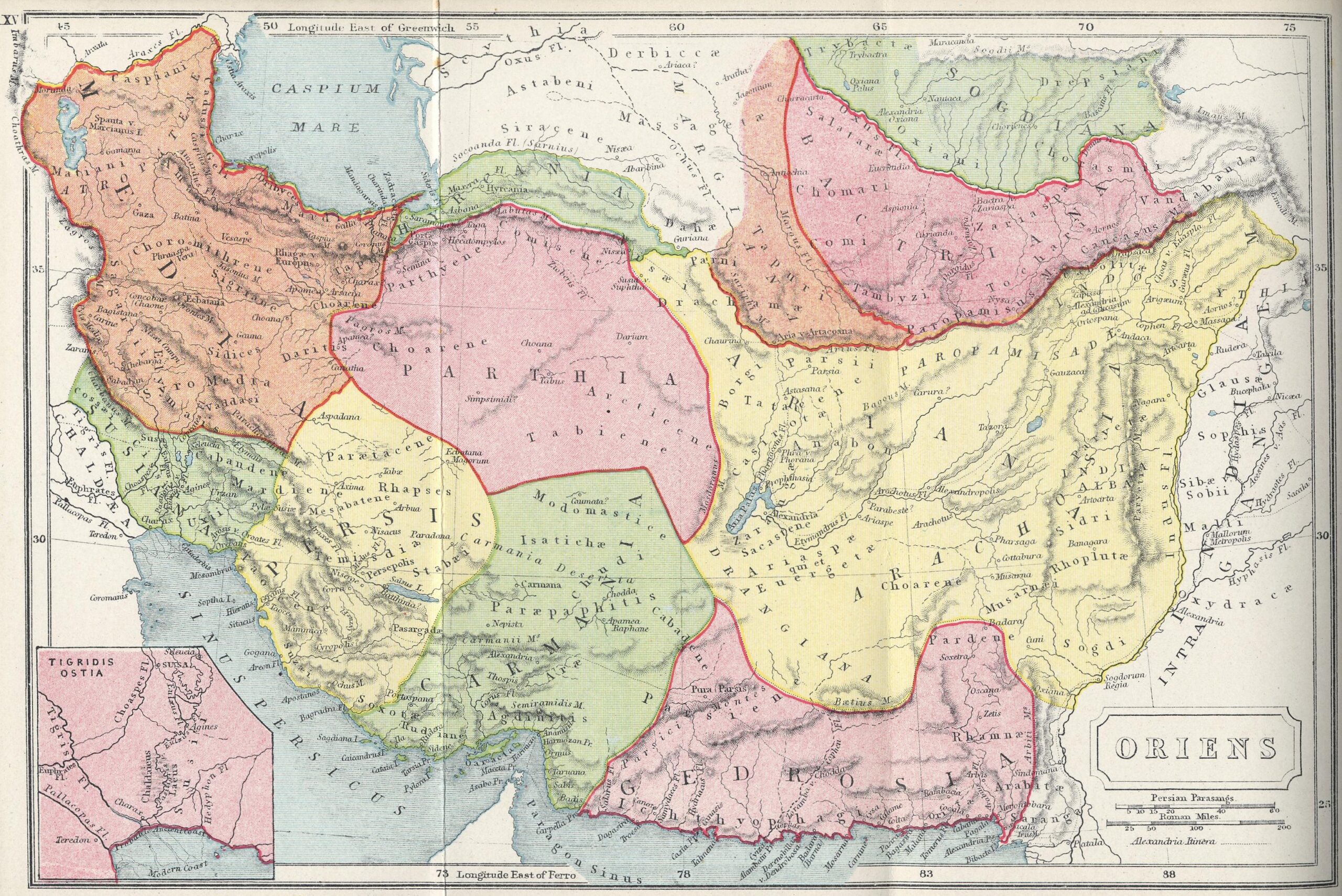
Iran’s new war – a desperate attempt to achieve a “Great Reset”? (Part One)
Brennus Letter N° 6, March 8th 2026 (available in English and French): The United States ultimately exercised its hegemony over the world for only a generation after the end of the USSR. The collapse of the American empire is unfolding before our eyes. The US military is incapable of defeating the Iranian military. Worse, it…
-
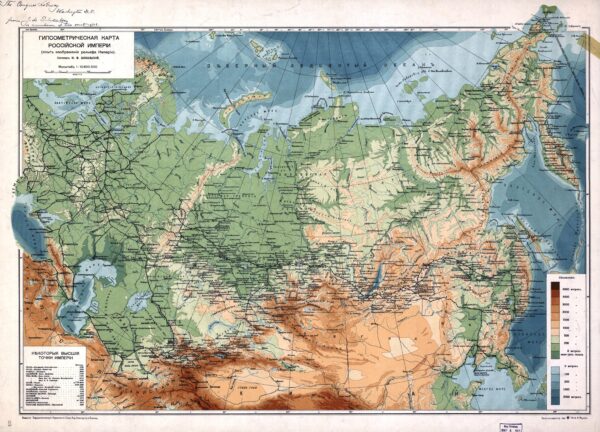
Orechnik missile – Russia’s new deterrent has a pre-nuclear component
Brennus Letter N° 5, February 5th 2026 (available in English, French, Russian): The most important thing to understand is that the Russians were the first to abolish strategic depth, and they were many years ahead of their American adversaries in doing so. They are capable of reaching any NATO target in a matter of minutes.…
-
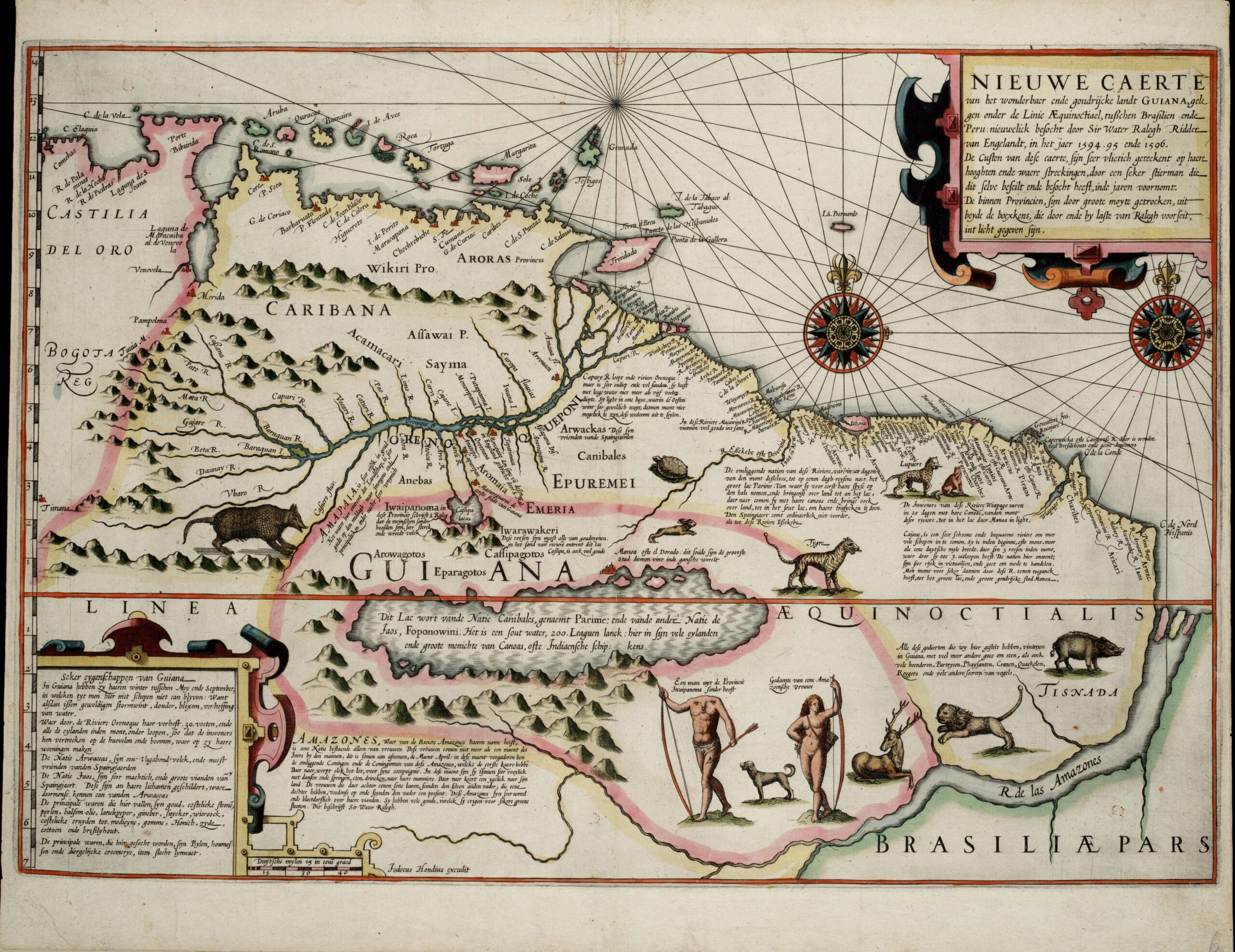
Venezuela – the risky strategy of « Make America FIRST again »
Brennus Letter N° 4, January 13th 2026 (available in English, French, Russian): Issue No. 4 of Brennus Letter is appearing a little later than planned due to the crisis in Venezuela and the additional global geopolitical tensions, particularly in Iran. We felt it necessary to include these developments in our analysis as they confirm the…
-
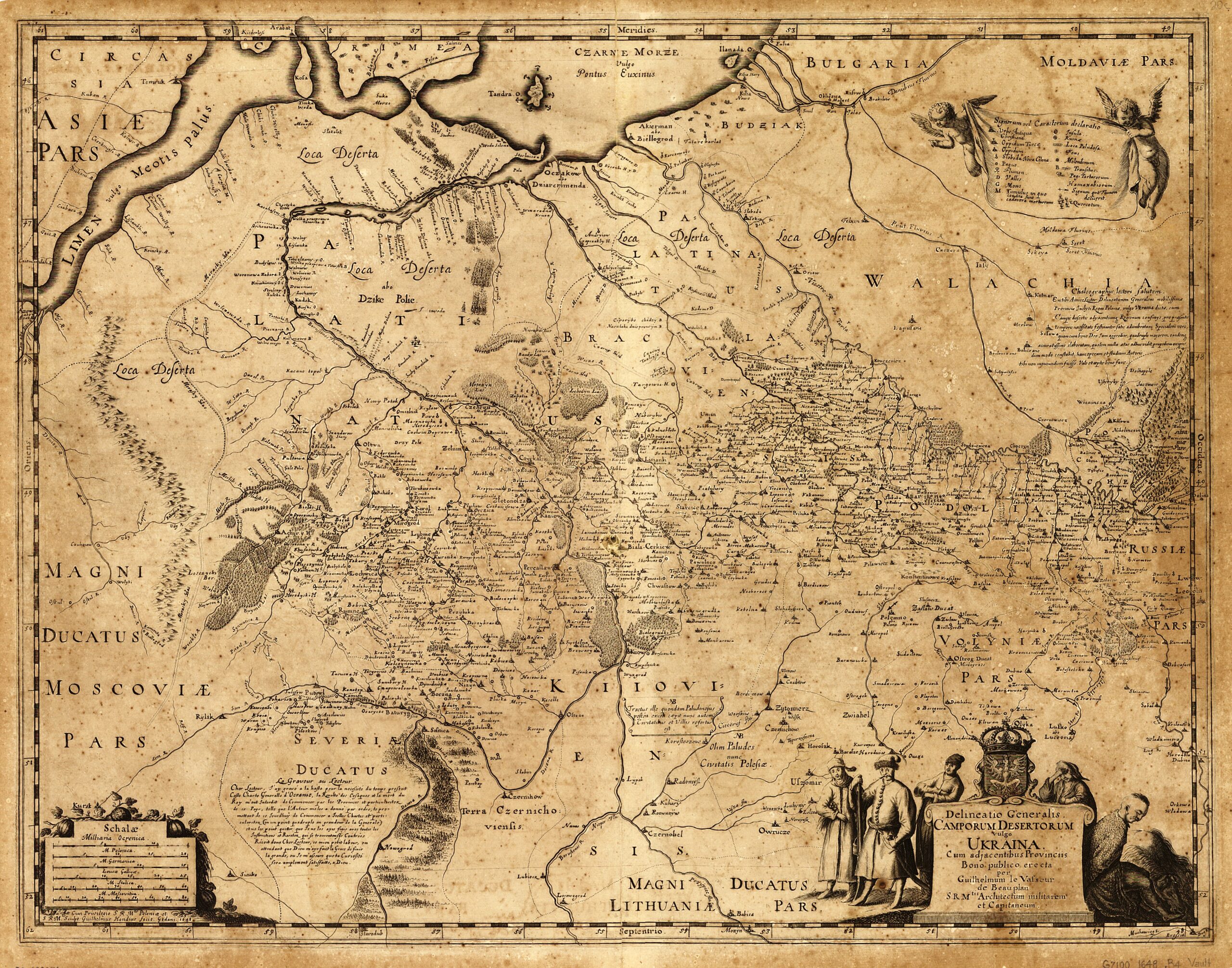
Why the end of the war in Ukraine will intensify the “cold civil war” in the United States
Brennus Letter No. 3, December 5th 2026 (available in English, French, Russian): We were in the process of writing this third issue of the Brennus Letter when the news broke: A new scandal has rocked the EU. The federal police in Bruges, Belgium, took three people into custody on Thursday after raiding the European External…
-
Friedrich Merz, figurehead of the new German militarism
Brennus Letter No. 2, November 4th 2025 (available in English, French, Russian): The German Chancellor’s ‘national globalism’ is extremely dangerous for France and Europe The German coalition government, made up of conservatives and social democrats, continues to lose ground in the polls. In a weekly survey conducted by the Insa polling institute, the coalition parties…
-
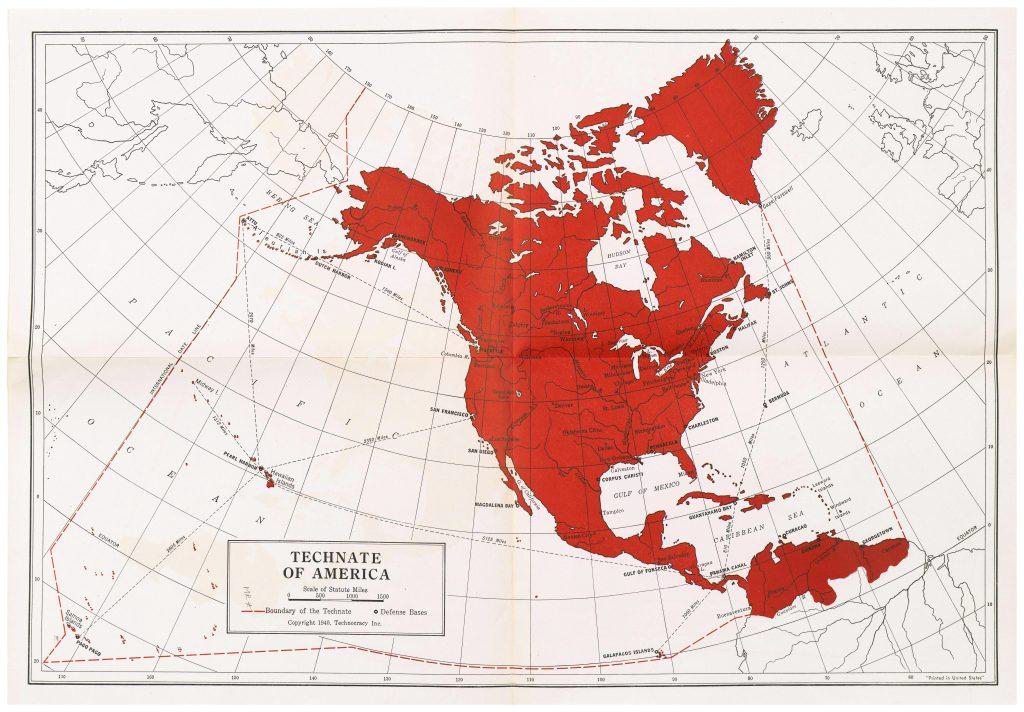
Bye-Bye Mackinder: Donald Trump and the crisis of American power
Brennus Letter No. 1 – October 4th 2025 (available in English, French, Russian): A series of clashes are taking place along what could be called the ‘Mackinder line’. We recall that at the beginning of the 20th century, British geopolitician Mackinder believed that maritime powers should prevent, at all costs, the expansion of a Eurasian…
Brennus Cartography: Decrypting the world to make better decisions
…select your membership here